
Dental Implants/Implant Supported Denture
Missing one or more teeth can affect much more than your appearance. It can make chewing difficult, impact your speech, reduce your confidence, and even lead to jawbone deterioration over time. At Dental Excellence, our experienced implant specialists provide advanced dental implant treatment in Mohali using modern technology and evidence-based techniques to restore both the function and aesthetics of your smile.
Whether you have lost a single tooth, multiple teeth, or require a full-mouth rehabilitation, our personalised treatment plans are designed to deliver natural-looking, long-lasting results that help you smile, eat, and speak with confidence again.
Book a consultation today and take the first step towards restoring your smile.
What Are Dental Implants?
Dental implants are considered the gold standard for replacing missing teeth because they closely replicate the appearance, strength, and function of natural teeth. Unlike removable dentures or traditional bridges, dental implants are surgically placed into the jawbone, where they act as artificial tooth roots and provide a strong, stable foundation for replacement teeth.
A complete dental implant restoration consists of three important components:
Implant Fixture
The implant fixture is a small screw-like post, usually made from medical-grade titanium or zirconia, that is carefully placed inside the jawbone. Over time, the surrounding bone naturally fuses with the implant through a biological process called osseointegration, creating a secure and permanent foundation.
(Insert labelled implant diagram here.)
Abutment
The abutment is a small connector attached to the implant after the healing period. It connects the implant fixture with the final replacement tooth and ensures proper support and stability.
Dental Crown
The dental crown is the visible part of the restoration that looks exactly like a natural tooth. Each crown is custom-designed to match the colour, shape, and size of your surrounding teeth, creating a seamless and natural-looking smile.
How Do Dental Implants Work?
After the implant is placed, your jawbone gradually grows around the titanium implant, securing it firmly in place. This natural integration allows the implant to function much like a healthy tooth root.
Once healing is complete, a custom-made crown, bridge, or denture is attached to the implant, restoring your ability to chew comfortably, speak clearly, and smile confidently.
Unlike traditional dentures, dental implants remain fixed in place and do not slip or require adhesives.
Why Are Dental Implants Considered the Gold Standard?
Dental implants offer several unique advantages over other tooth replacement options:
- Replace both the visible tooth and its natural root.
- Preserve jawbone health by stimulating the underlying bone.
- Prevent neighbouring teeth from shifting.
- Provide exceptional chewing efficiency.
- Restore natural speech.
- Blend seamlessly with your existing teeth.
- Offer a long-term solution with proper care.
- Improve confidence and overall quality of life.
Because of these benefits, dental implants have become the preferred treatment option for patients seeking a permanent and predictable solution for missing teeth.
Did You Know?
A missing tooth affects much more than your smile. Without a tooth root, the jawbone in that area gradually begins to shrink. Dental implants are currently the only tooth replacement solution that helps preserve the jawbone by providing the stimulation needed to maintain healthy bone structure.
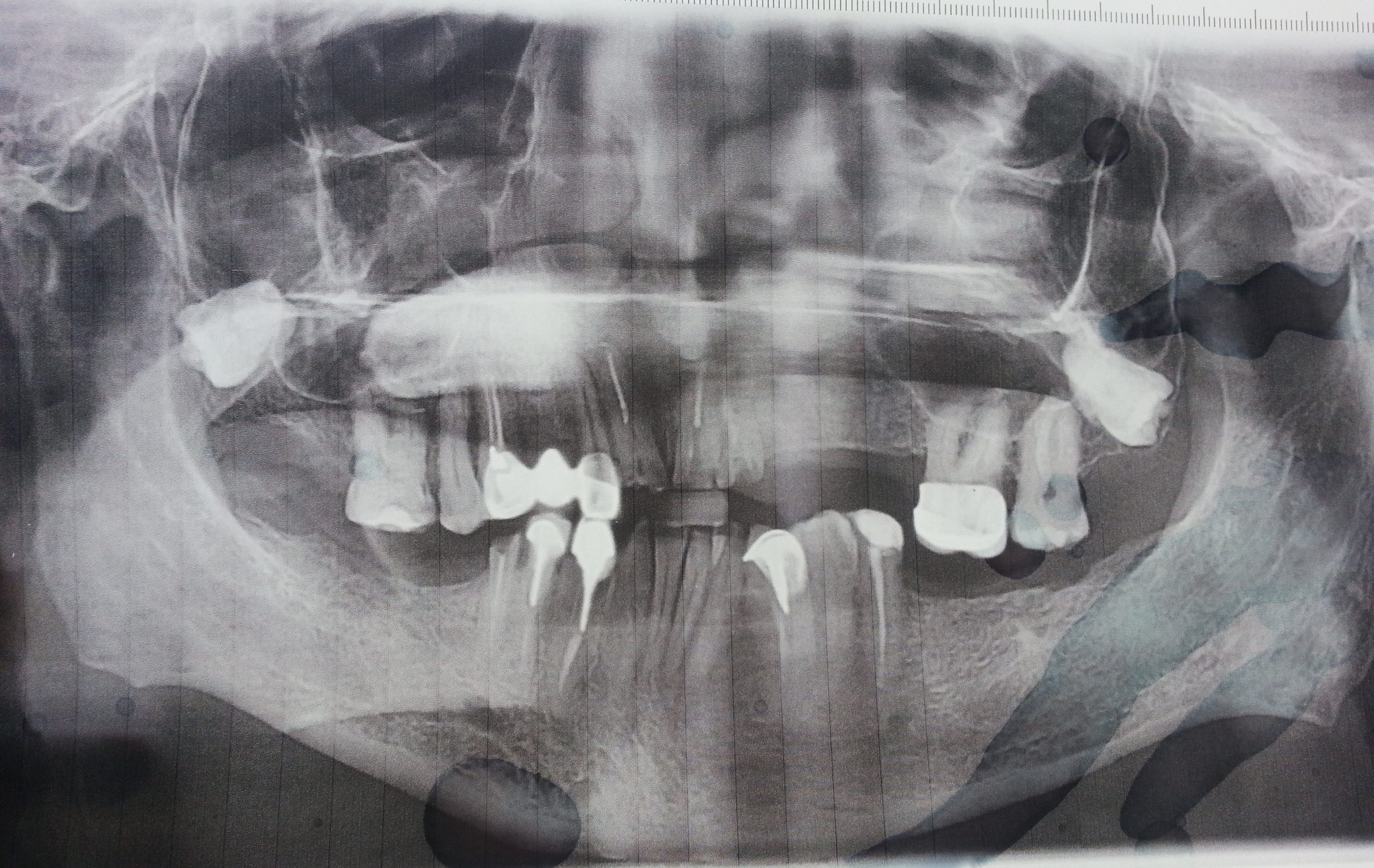
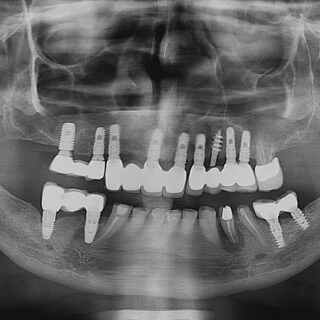
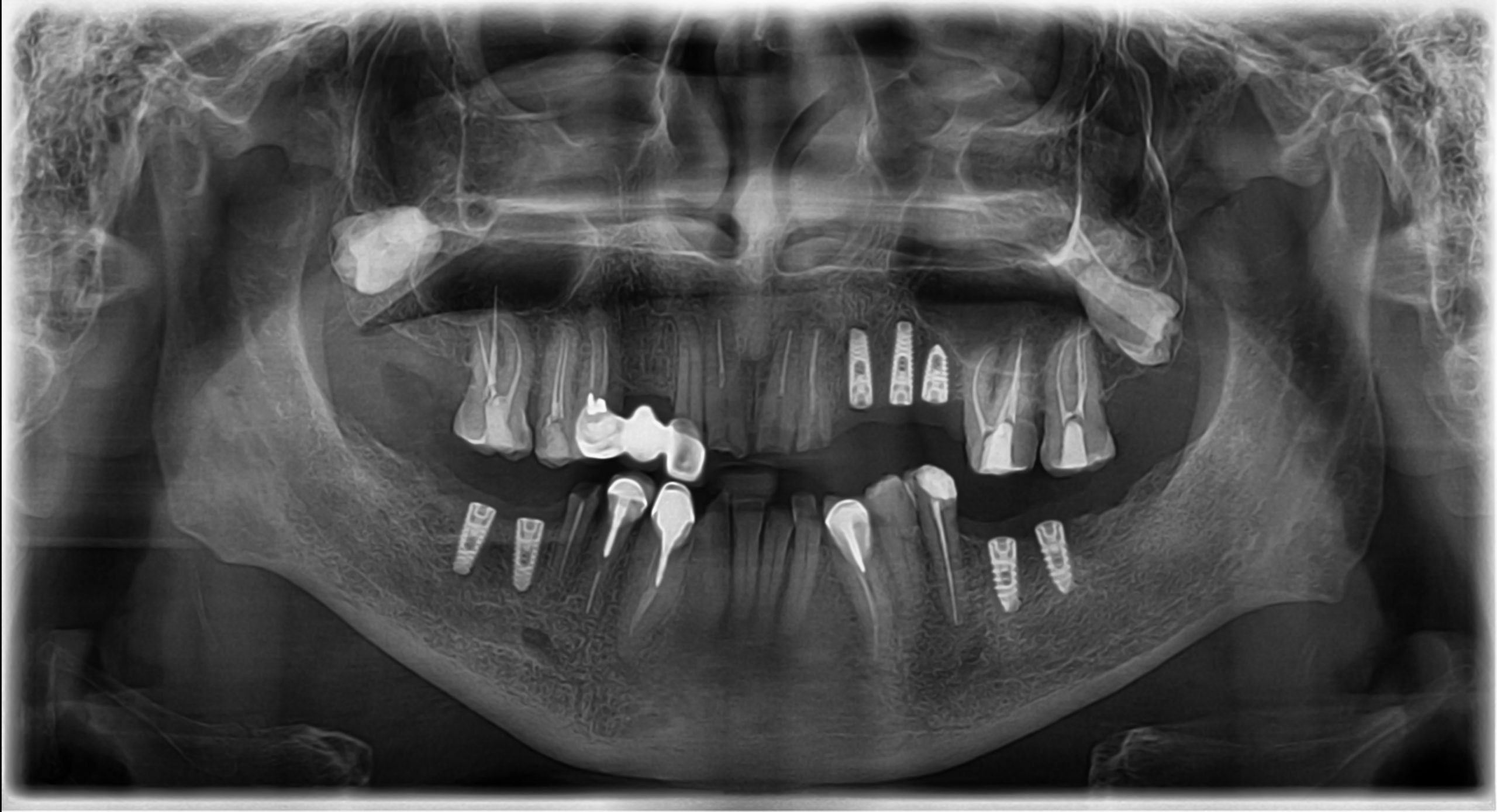
Immediate implants:
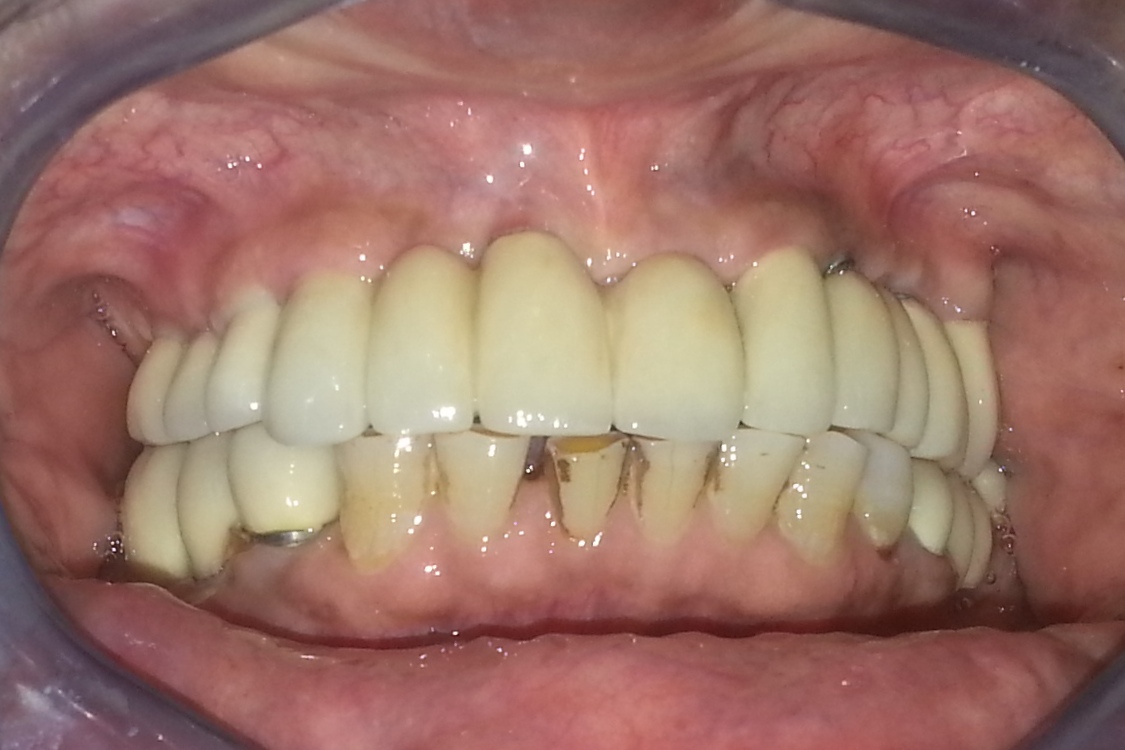
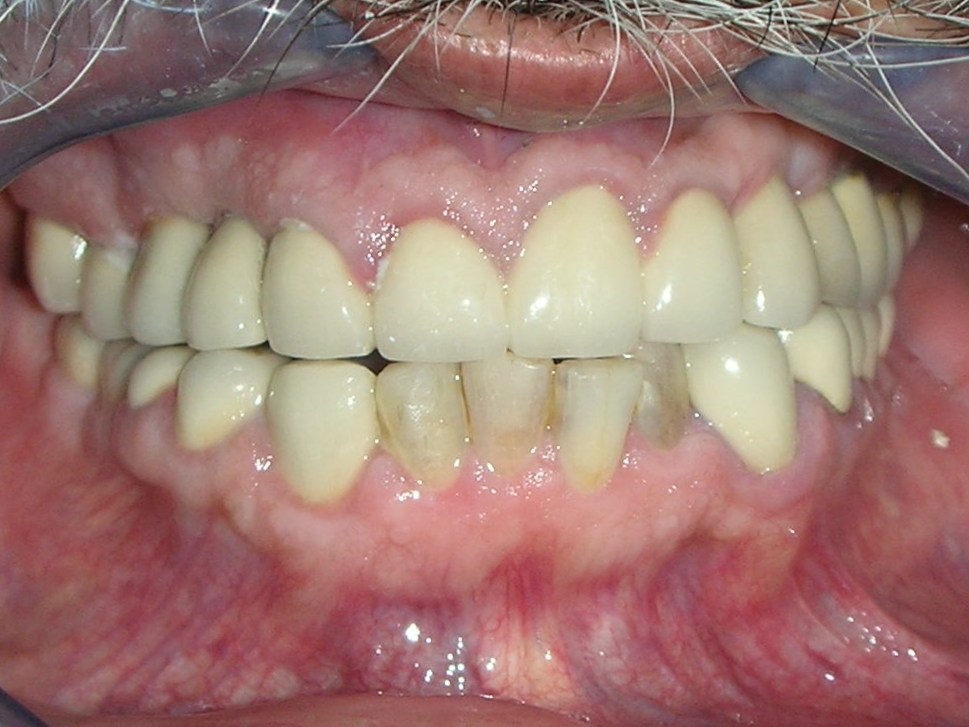
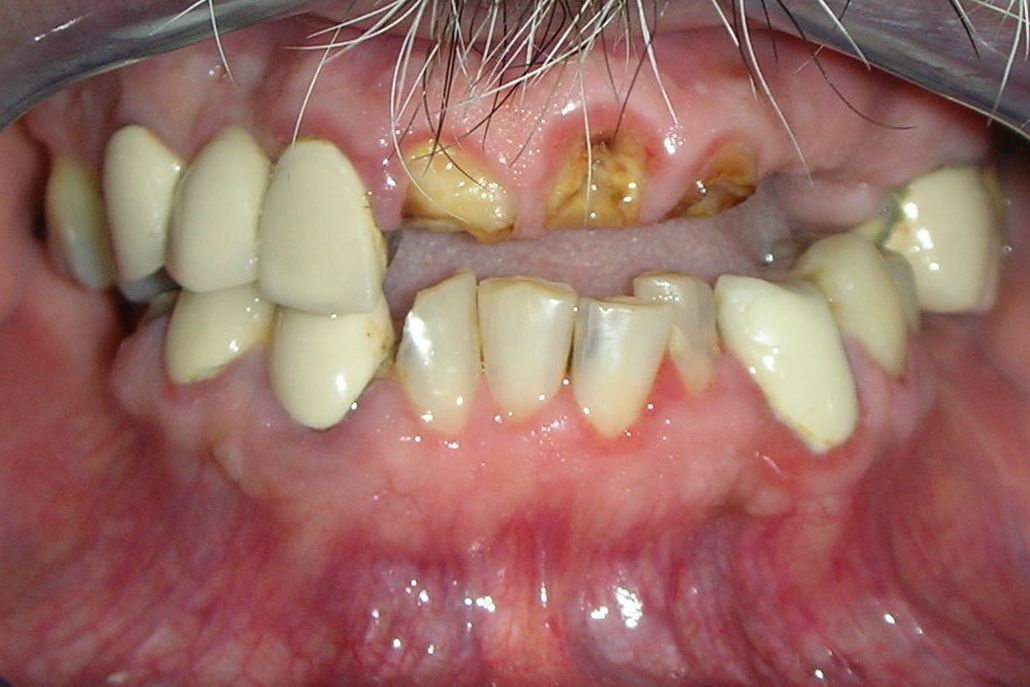
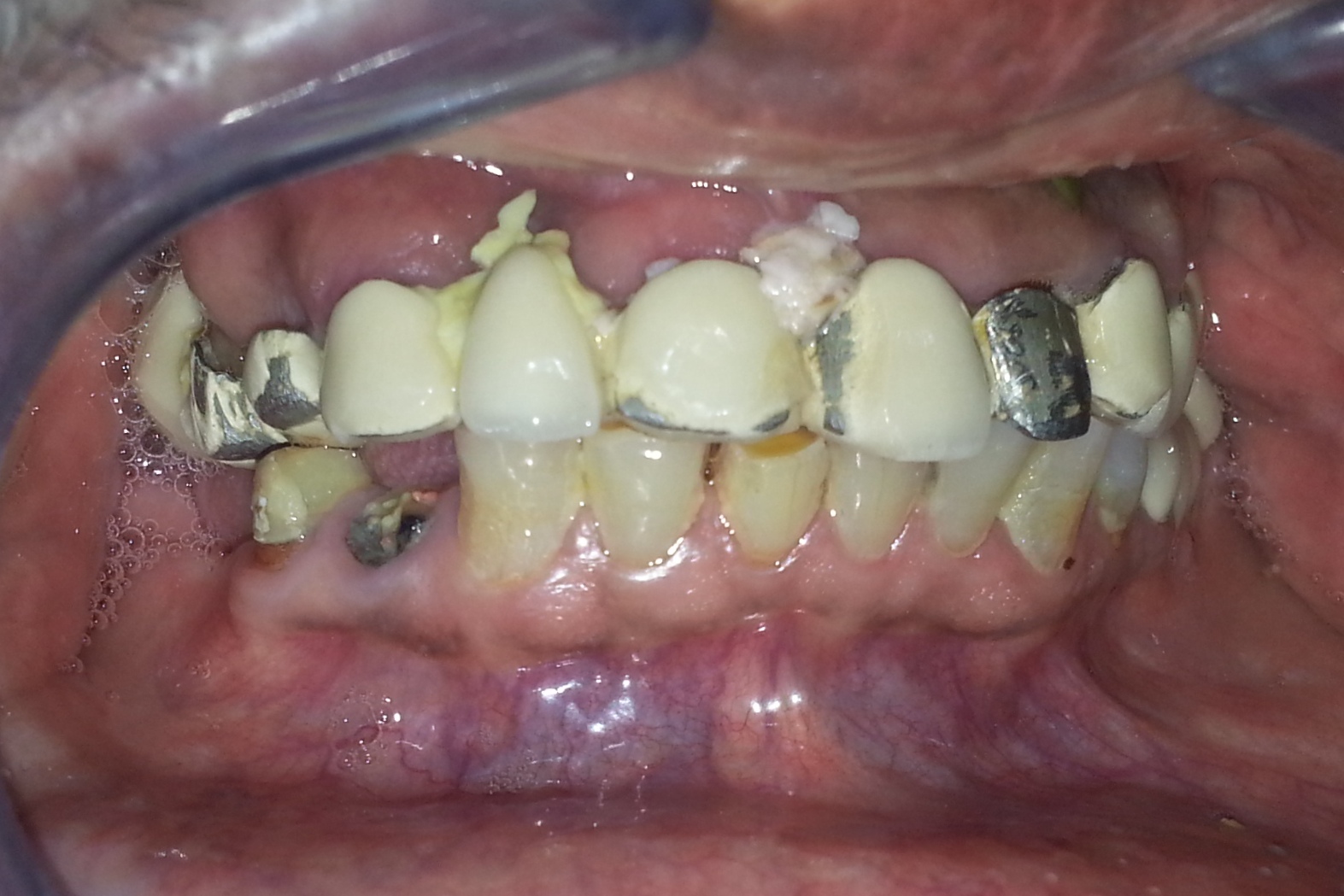
Why Replacing Missing Teeth Is Important
Many people believe that losing a tooth is simply an aesthetic concern. However, even a single missing tooth can have long-term effects on your oral health, facial appearance, and overall quality of life. The longer a missing tooth is left untreated, the greater the chances of developing additional dental problems.
At Dental Excellence, we encourage patients to replace missing teeth as early as possible to preserve both function and oral health.
1. Jawbone Loss
Your jawbone depends on stimulation from the roots of your natural teeth. When a tooth is lost, the bone beneath it no longer receives this stimulation and gradually begins to shrink—a process known as bone resorption.
Over time, this can:
- Reduce bone density
- Weaken support for neighbouring teeth
- Make future implant treatment more complex
- Affect the natural contours of your face
Dental implants are the only tooth replacement option that helps preserve the jawbone by replacing the missing tooth root.
2. Shifting of Nearby Teeth
Your teeth work together to maintain proper alignment. When a gap is left untreated, neighbouring teeth naturally begin to drift into the empty space.
This may lead to:
- Crooked teeth
- Bite problems
- Difficulty cleaning between teeth
- Increased risk of decay and gum disease
Replacing the missing tooth helps maintain the natural alignment of your smile.
3. Difficulty Eating Your Favourite Foods
Missing teeth can make everyday activities like eating uncomfortable and frustrating.
Patients often struggle with:
- Apples
- Nuts
- Corn
- Meat
- Chapatis
- Hard vegetables
Many people subconsciously begin chewing on only one side of the mouth, placing excessive pressure on healthy teeth and jaw joints.
Dental implants restore nearly the same biting force as natural teeth, allowing you to enjoy a balanced diet again.
4. Changes in Speech
Teeth play an essential role in pronunciation. Missing front teeth can affect the way certain words and sounds are spoken.
Patients may notice:
- Whistling sounds
- Lisping
- Difficulty pronouncing certain letters
- Reduced confidence while speaking
Dental implants help restore natural speech patterns.
5. Premature Facial Ageing
Many people don’t realise that missing teeth can affect facial appearance.
As the jawbone shrinks, it can cause:
- Sunken cheeks
- Thin lips
- Sagging facial muscles
- Wrinkles around the mouth
- An older-looking appearance
Replacing missing teeth with implants helps support facial structures and maintain a youthful profile.
6. Reduced Confidence
A confident smile can positively influence both personal and professional interactions.
Patients with missing teeth often report:
- Hiding their smile
- Feeling self-conscious in photographs
- Avoiding social events
- Reduced self-esteem
Dental implants provide a fixed, natural-looking solution that allows patients to smile confidently again.
Don’t Wait Too Long
Delaying treatment may increase the need for additional procedures such as bone grafting or sinus augmentation. Seeking treatment early often leads to simpler procedures and more predictable outcomes.
Internal Links
- What Happens If You Don’t Replace a Missing Tooth?
- Can Missing Teeth Change Your Face Shape?
- Cost of Dental Implants vs Bridges vs Dentures
Benefits of Dental Implants
Dental implants have transformed modern dentistry by providing a reliable, long-lasting solution for missing teeth. Unlike removable dentures or traditional bridges, implants restore both the appearance and function of natural teeth.
Natural Appearance
Each implant-supported crown is custom-designed to match the colour, shape, and size of your existing teeth. The result is a restoration that blends seamlessly with your smile.
Exceptional Stability
Because implants are anchored directly into the jawbone, they remain secure while eating, speaking, or laughing.
There is:
- No slipping
- No clicking sounds
- No movement while chewing
Preserve Healthy Teeth
Traditional dental bridges often require adjacent healthy teeth to be reshaped.
Dental implants replace the missing tooth independently, preserving your natural teeth.
Improved Chewing Efficiency
Dental implants restore strong biting force, allowing you to comfortably eat foods that may be difficult with dentures.
Patients can enjoy:
- Fresh fruits
- Vegetables
- Meat
- Nuts
- Traditional Indian foods
without worrying about instability.
Long-Term Durability
With proper oral hygiene and regular dental check-ups, dental implants can last for decades.
This makes them one of the most cost-effective long-term solutions for tooth replacement.
Better Oral Health
Unlike removable dentures, implants do not increase the risk of irritation caused by movement.
They also make it easier to:
- Brush
- Floss
- Maintain healthy gums
Preserve Jawbone
One of the greatest advantages of implants is their ability to stimulate the jawbone, helping maintain bone volume and facial structure.
No other tooth replacement option offers this benefit.
Improved Quality of Life
Patients frequently tell us that dental implants have allowed them to:
- Eat comfortably
- Smile confidently
- Speak naturally
- Enjoy social occasions again
For many people, implants do more than replace teeth—they restore confidence and improve everyday life.
Why Patients Choose Dental Implants Over Other Options
| Feature | Dental Implants | Bridges | Dentures |
|---|---|---|---|
| Looks Natural | ✔ | ✔ | ✔ |
| Preserves Jawbone | ✔ | ✘ | ✘ |
| Fixed in Place | ✔ | ✔ | ✘ |
| No Need to Remove | ✔ | ✔ | ✘ |
| Long-Term Solution | ✔ | Moderate | Moderate |
| Helps Maintain Facial Structure | ✔ | Limited | Limited |
At Dental Excellence
Our implant treatments are carefully planned using advanced diagnostic imaging and personalised treatment protocols to achieve functional, aesthetic, and long-lasting results. Every patient receives an individual treatment plan based on their oral health, bone condition, and smile goals.
Who Is a Suitable Candidate for Dental Implants?
One of the most common questions patients ask is, “Am I eligible for dental implants?” The good news is that most adults with one or more missing teeth can be suitable candidates. At Dental Excellence, every implant treatment begins with a detailed clinical examination, digital imaging, and a personalised treatment plan to determine the best solution for your oral health.
You May Be a Good Candidate for Dental Implants If You:
- Have one or more missing teeth.
- Want a fixed alternative to removable dentures.
- Have healthy gums or are willing to treat gum disease before implant placement.
- Have sufficient jawbone to support the implant, or are suitable for bone grafting if required.
- Are in generally good overall health.
- Maintain good oral hygiene and are committed to regular dental check-ups.
Every patient’s needs are different, which is why we create customised implant treatment plans rather than adopting a one-size-fits-all approach.
Dental Implants for a Single Missing Tooth
Losing a single tooth can affect both appearance and chewing efficiency. A dental implant replaces the missing tooth without disturbing the healthy neighbouring teeth, making it a conservative and long-lasting solution.
Ideal for patients who:
- Lost a tooth due to injury or decay.
- Have a congenitally missing tooth.
- Want the most natural-looking replacement.
Dental Implants for Multiple Missing Teeth
If you have lost several teeth, implant-supported bridges can restore your smile without requiring an implant for every missing tooth.
Benefits include:
- Stable replacement teeth.
- Improved chewing function.
- Better aesthetics.
- Preservation of jawbone.
- Reduced stress on remaining natural teeth.
Full Mouth Dental Implants
Patients who have lost all or most of their teeth may benefit from full-mouth implant rehabilitation.
Depending on your individual case, options may include:
- Implant-supported dentures.
- Full-arch implant bridges.
- All-on-4 or All-on-6 concepts (when clinically appropriate).
These treatments provide significantly greater comfort, stability, and confidence than conventional removable dentures.
Can Older Adults Get Dental Implants?
Absolutely.
Age alone is not a limiting factor. Many patients in their 60s, 70s, and even 80s successfully receive dental implants.
What matters most is:
- Overall health.
- Bone quality.
- Gum health.
- Medical history.
Our specialists carefully assess each patient before recommending treatment.
Can Patients with Diabetes Receive Dental Implants?
Many people believe diabetes automatically rules out dental implants, but this is a common misconception.
Patients with well-controlled diabetes can often receive dental implants successfully.
However, successful treatment requires:
- Controlled blood sugar levels.
- Careful treatment planning.
- Good oral hygiene.
- Regular follow-up appointments.
At Dental Excellence, we carefully evaluate diabetic patients and coordinate treatment based on their overall health.
Related Reading: Dental Implants for Diabetic Patients
Can Smokers Have Dental Implants?
Smoking increases the risk of complications and may slow healing after implant surgery.
However, smokers are not automatically excluded from treatment.
Our implant specialists will:
- Assess your individual risk.
- Discuss ways to improve healing.
- Recommend smoking cessation where possible.
- Provide detailed post-operative instructions.
Reducing or stopping smoking significantly improves implant success rates.
What If I Don’t Have Enough Jawbone?
Bone loss is common after tooth loss, especially if treatment has been delayed.
Fortunately, insufficient bone does not always mean implants are impossible.
Depending on your condition, additional procedures may include:
- Bone grafting.
- Sinus augmentation.
- Ridge preservation.
- Advanced implant planning.
These procedures help create a stable foundation for successful implant placement.
Your Implant Journey Begins with a Comprehensive Assessment
Before recommending treatment, our implant specialists perform:
- Comprehensive oral examination.
- Digital X-rays.
- CBCT scan (when required).
- Bite analysis.
- Medical history evaluation.
- Discussion of your goals and expectations.
Based on these findings, we develop a personalised treatment plan designed specifically for you.
Types of Dental Implants We Offer
At Dental Excellence, we understand that no two smiles are the same. Different patients require different implant solutions depending on the number of missing teeth, bone quality, oral health, and treatment goals.
Our experienced implant team offers a range of advanced implant treatments to restore both function and aesthetics.
Single Tooth Dental Implant
A single missing tooth can be replaced with one implant and one custom-made crown.
Unlike traditional bridges, this treatment does not require the neighbouring healthy teeth to be reshaped.
Benefits
- Natural appearance.
- Preserves surrounding teeth.
- Strong chewing ability.
- Long-lasting solution.
- Easy to maintain.
Multiple Dental Implants
Patients missing several teeth may benefit from strategically placed implants supporting individual crowns or bridges.
This treatment restores:
- Comfortable chewing.
- Proper bite function.
- Natural smile aesthetics.
Implant-Supported Bridges
Instead of replacing every missing tooth with an implant, an implant-supported bridge uses two or more implants to support multiple replacement teeth.
Advantages include:
- Greater stability than conventional bridges.
- Reduced number of implants required.
- Excellent aesthetics.
- Long-term durability.
Implant-Supported Dentures
Patients who currently wear removable dentures often experience:
- Slipping dentures.
- Difficulty eating.
- Gum irritation.
- Reduced confidence.
Implant-supported dentures offer a far more secure and comfortable alternative.
Benefits include:
- Improved stability.
- Better chewing efficiency.
- Enhanced speech.
- Greater confidence.
- Reduced movement during eating.
Immediate Dental Implants
In suitable cases, implants may be placed immediately after tooth extraction.
Advantages include:
- Fewer surgical procedures.
- Reduced treatment time.
- Preservation of bone.
- Faster smile restoration.
Suitability depends on:
- Bone condition.
- Infection status.
- Overall oral health.
Our specialists determine whether immediate implant placement is appropriate during your consultation.
Bone Grafting
If jawbone volume is insufficient, bone grafting may be recommended before implant placement.
Bone grafting helps:
- Rebuild lost bone.
- Improve implant stability.
- Increase long-term success.
Many patients who previously believed they were unsuitable candidates for implants become eligible after bone augmentation.
Sinus Lift Procedure
For implants in the upper back jaw, bone height may sometimes be limited due to the position of the maxillary sinus.
A sinus lift gently increases the available bone height, creating adequate support for implant placement.
This procedure has helped many patients successfully receive implants in areas previously considered unsuitable.
Advanced Digital Implant Planning
Every implant treatment at Dental Excellence is carefully planned using modern diagnostic technology to maximise precision and predictability.
Our treatment planning may include:
- Digital X-rays.
- CBCT imaging.
- Bone quality assessment.
- Bite evaluation.
- Prosthetic planning.
- Individualised surgical protocols.
This comprehensive planning helps improve safety, comfort, and long-term treatment success.
Which Implant Option Is Right for You?
The ideal implant solution depends on several factors, including:
- Number of missing teeth.
- Jawbone health.
- Gum condition.
- Overall oral health.
- Functional needs.
- Cosmetic expectations.
- Budget and treatment goals.
During your consultation, our specialists will explain every available option and help you choose the treatment plan best suited to your individual needs.
The Dental Implant Procedure – Step by Step
Many patients are surprised to learn that getting a dental implant is a carefully planned process rather than a single procedure. At Dental Excellence, every implant treatment follows a systematic approach designed to maximise precision, comfort, and long-term success.
Step 1: Consultation and Comprehensive Examination
Every successful implant treatment begins with a detailed consultation.
During your first appointment, our implant specialist will:
- Discuss your dental concerns and smile goals.
- Examine your teeth, gums, and jawbone.
- Review your medical and dental history.
- Evaluate your bite and overall oral health.
- Explain the available treatment options.
This consultation helps determine whether dental implants are the right solution for you.
Step 2: Digital Imaging and Treatment Planning
Precise planning is one of the most important factors in implant success.
Depending on your case, we may recommend:
- Digital dental X-rays
- CBCT (Cone Beam CT) scan
- Bone density assessment
- Gum health evaluation
- Smile analysis
These advanced diagnostic tools allow us to determine:
- Bone quantity
- Bone quality
- Implant position
- Implant size
- Implant angulation
- Need for bone grafting or sinus lift
Every implant is planned to achieve optimal function, aesthetics, and long-term stability.
Step 3: Preparing Your Mouth (If Required)
Some patients may require preliminary treatment before implant placement.
This may include:
- Professional teeth cleaning
- Treatment of gum disease
- Tooth extraction
- Bone grafting
- Sinus augmentation
Preparing the mouth helps create the ideal foundation for successful implant treatment.
Step 4: Dental Implant Placement
The implant procedure is performed under local anaesthesia to ensure your comfort.
During the procedure:
- A small opening is made in the gum.
- The implant is carefully placed into the jawbone.
- The gum tissue is repositioned.
- Healing begins immediately.
Most implant surgeries are completed within 30–90 minutes, depending on the complexity of the case.
Many patients are pleasantly surprised that the procedure is more comfortable than they expected.
Step 5: Healing and Osseointegration
After implant placement, the body begins a remarkable natural process known as osseointegration.
During this period:
- The jawbone gradually fuses with the implant.
- The implant becomes securely anchored.
- A strong biological connection develops.
Healing usually takes several weeks to a few months, depending on:
- Bone quality
- Overall health
- Smoking status
- Individual healing response
This stage is essential for the long-term success of the implant.
Step 6: Placement of the Abutment
Once healing is complete, a small connector called an abutment is attached to the implant.
The abutment acts as the link between the implant and the final restoration.
Step 7: Custom Dental Crown Placement
The final step is the placement of your custom-made dental crown.
Each crown is carefully designed to:
- Match your natural teeth
- Blend seamlessly with your smile
- Restore comfortable chewing
- Provide long-term aesthetics
Once fitted, your implant will look, feel, and function very much like a natural tooth.
Our Focus Throughout the Procedure
At Dental Excellence, we focus on:
- Patient comfort
- Precision treatment planning
- Minimally invasive techniques (where appropriate)
- Strict sterilisation protocols
- Personalised aftercare
Our goal is not only to replace missing teeth but also to provide a comfortable treatment experience and long-lasting results.
Recovery After Dental Implant Surgery
One of the biggest concerns patients have is, “How long will it take to recover?”
The good news is that most patients recover smoothly and can return to their normal daily routine within a short period. While healing times vary from person to person, following your dentist’s instructions plays an important role in ensuring successful recovery.
What to Expect After Surgery
It is normal to experience some mild symptoms during the first few days after implant placement.
These may include:
- Mild swelling
- Minor discomfort
- Slight bruising
- Temporary tenderness around the implant site
These symptoms generally improve within a few days and can usually be managed with prescribed medications and proper home care.
Recovery Timeline
First 24 Hours
During the first day:
- Rest as much as possible.
- Avoid strenuous physical activity.
- Follow all medication instructions.
- Eat soft, cool foods.
- Avoid touching the surgical site.
Days 2–7
During the first week:
- Swelling gradually decreases.
- Gum tissues begin healing.
- Mild discomfort usually improves.
- Continue eating softer foods if advised.
Patients are encouraged to maintain good oral hygiene while following the cleaning instructions provided by their dentist.
Weeks 2–6
The gums continue healing.
Most patients:
- Feel comfortable eating.
- Return fully to work.
- Resume normal daily activities.
- Notice little or no discomfort.
Although the gums may appear healed, the bone beneath continues integrating with the implant.
Osseointegration Phase
The implant gradually bonds with the surrounding jawbone.
This biological process is essential because it provides the stability required for long-term success.
Once the implant has integrated successfully, the final crown can be placed.
Tips for Faster Recovery
To promote optimal healing, we recommend:
- Take medications exactly as prescribed.
- Apply cold packs during the first 24 hours if advised.
- Avoid smoking and tobacco products.
- Avoid alcohol during the early healing phase.
- Maintain excellent oral hygiene.
- Attend all follow-up appointments.
- Eat a balanced, nutritious diet.
- Avoid chewing directly on the implant area until instructed.
Following these guidelines significantly improves the chances of successful implant healing.
Warning Signs – When to Contact Your Dentist
Although complications are uncommon, you should contact your dentist if you experience:
- Severe or worsening pain.
- Persistent bleeding.
- Excessive swelling after several days.
- Fever.
- Pus or signs of infection.
- A loose implant.
- Difficulty opening your mouth.
Early evaluation allows any concerns to be addressed promptly.
Long-Term Care of Dental Implants
Dental implants require the same level of care as natural teeth.
To keep your implant healthy:
- Brush twice daily using a soft-bristled toothbrush.
- Clean between teeth using floss or interdental brushes.
- Attend regular dental check-ups.
- Have professional cleanings as recommended.
- Avoid using your teeth to open packages or bite very hard objects.
With good oral hygiene and routine maintenance, dental implants can provide many years of reliable function.
Our Commitment to Your Care
At Dental Excellence, our care doesn’t end after implant placement. We provide personalised post-operative guidance, regular follow-up appointments, and ongoing support to help ensure your implant heals properly and continues to function well for years to come.
What Is the Cost of Dental Implants in Mohali?
One of the first questions patients ask is, “How much do dental implants cost in Mohali?” The answer depends on several clinical factors, as every patient’s oral health and treatment needs are unique.
At Dental Excellence, we believe in providing transparent treatment planning. During your consultation, our implant specialists will explain the recommended treatment, discuss the available options, and provide a personalised cost estimate with no hidden surprises.
Factors That Influence the Cost of Dental Implants
The overall cost of dental implant treatment in Mohali may vary depending on several factors, including:
Number of Missing Teeth
Replacing a single tooth differs significantly from restoring multiple missing teeth or a full arch.
Type of Implant Restoration
Your treatment may involve:
- Single dental implant
- Implant-supported bridge
- Implant-supported denture
- Full-mouth rehabilitation
Each option requires different materials and treatment planning.
Bone Quality
Some patients have sufficient bone to support an implant immediately, while others may require additional procedures such as bone grafting or a sinus lift to create a stable foundation.
Implant System Used
Dental implants are available from various internationally recognised manufacturers. Your dentist will recommend an implant system based on your clinical requirements, long-term predictability, and treatment goals.
Crown Material
The final crown may vary depending on the material selected and the aesthetic requirements of your smile.
Complexity of the Case
Certain cases involving previous tooth loss, trauma, or advanced bone loss may require additional planning or specialist procedures.
Is a Dental Implant Worth the Investment?
While the initial investment for a dental implant may be higher than some alternative tooth replacement options, many patients choose implants because of their long-term benefits.
Dental implants can:
- Restore natural chewing function.
- Preserve jawbone health.
- Prevent neighbouring teeth from shifting.
- Improve facial support.
- Last for many years with proper care.
When viewed over the long term, many patients find implants to be a valuable investment in their oral health and quality of life.
Flexible Treatment Planning
Every smile is different, and so is every treatment plan.
During your consultation at Dental Excellence, Mohali, our specialists will discuss all suitable treatment options and help you choose a solution that aligns with your oral health needs, expectations, and budget.
Our goal is to recommend the treatment that offers the best long-term outcome—not simply the least expensive option.
Schedule Your Implant Consultation
If you’re considering dental implants in Mohali, Chandigarh, Zirakpur, Panchkula, or Kharar, we invite you to book a consultation with our experienced implant team.
We’ll evaluate your oral health, explain the available treatment options, answer your questions, and provide a personalised treatment plan designed specifically for you.
Dental Implants vs Bridges vs Dentures – Which Tooth Replacement Option Is Right for You?
If you’ve lost one or more teeth, you generally have three treatment options:
- Dental Implants
- Dental Bridges
- Removable Dentures
Each option has its advantages and may be appropriate depending on your oral health, lifestyle, and treatment goals.
At Dental Excellence, Mohali, we help patients understand the differences so they can make an informed decision.
Dental Implants
Dental implants replace both the visible tooth and its root, making them the closest alternative to natural teeth.
Advantages
✔ Natural appearance
✔ Excellent chewing ability
✔ Fixed and stable
✔ Helps preserve jawbone
✔ Doesn’t affect neighbouring teeth
✔ Long-term solution
Considerations
- Requires a surgical procedure.
- Healing period before final restoration.
- Higher initial investment than some alternatives.
Dental implants are often recommended for patients seeking a durable and natural-looking tooth replacement.
Dental Bridges
A dental bridge replaces one or more missing teeth by using the adjacent teeth for support.
Advantages
✔ Fixed restoration
✔ Shorter treatment time
✔ Suitable for certain cases
Considerations
- Requires reshaping healthy neighbouring teeth.
- Does not preserve jawbone.
- May require replacement after several years.
Bridges remain a valuable treatment option for selected patients where implants may not be suitable.
Dentures
Dentures replace multiple missing teeth and can be either complete or partial.
Advantages
✔ Non-surgical treatment
✔ Suitable for extensive tooth loss
✔ Lower initial cost
Considerations
- May move during eating or speaking.
- Requires periodic adjustments.
- Does not prevent bone loss.
- May affect confidence and comfort over time.
Modern dentures are far more comfortable than older designs, but many patients eventually choose implant-supported alternatives for greater stability.
Comparison Table
| Feature | Dental Implants | Bridges | Dentures |
|---|---|---|---|
| Natural Appearance | ⭐⭐⭐⭐⭐ | ⭐⭐⭐⭐ | ⭐⭐⭐ |
| Chewing Ability | Excellent | Good | Moderate |
| Jawbone Preservation | ✔ | ✘ | ✘ |
| Fixed Solution | ✔ | ✔ | ✘ |
| Affects Healthy Teeth | ✘ | ✔ | ✘ |
| Easy Maintenance | ✔ | ✔ | Moderate |
| Longevity | Long-term | Moderate | Moderate |
Which Option Is Best for You?
There is no universal solution that suits every patient.
The ideal treatment depends on factors such as:
- Number of missing teeth
- Jawbone health
- Gum condition
- Medical history
- Lifestyle
- Smile expectations
- Budget
At Dental Excellence in Mohali, our specialists take the time to understand your needs before recommending the most appropriate treatment option.
Our goal is to help you choose a solution that restores not only your smile but also your confidence and oral health.
Why Choose Dental Excellence for Dental Implants in Mohali?
Choosing the right dental clinic is just as important as choosing the right treatment. Successful dental implant therapy requires careful planning, clinical expertise, modern technology, and a commitment to long-term patient care.
At Dental Excellence, we are proud to be a trusted destination for patients seeking dental implants in Mohali, as well as those travelling from Chandigarh, Panchkula, Zirakpur, Kharar, and nearby areas.
Specialist-Led Implant Care
Our experienced dental team provides personalised implant treatment plans based on each patient’s individual needs. Every case is carefully assessed to ensure the most appropriate treatment approach and predictable long-term outcomes.
Advanced Diagnostic Technology
Accurate diagnosis is the foundation of successful implant treatment.
Our treatment planning may include:
- Digital dental X-rays
- CBCT imaging (where indicated)
- Smile analysis
- Bite assessment
- Digital treatment planning
This allows us to place implants with greater precision and confidence.
Personalised Treatment Plans
No two smiles are the same.
Whether you need a single dental implant, multiple implants, or a full-mouth rehabilitation, your treatment plan is customised to your oral health, bone condition, and long-term goals.
Comprehensive Dental Care Under One Roof
Patients benefit from access to a wide range of dental services, including:
- Dental implants
- Root canal treatment
- Orthodontics
- Invisalign
- Cosmetic dentistry
- Gum treatment
- Wisdom tooth surgery
- Pediatric dentistry
Having multiple specialties available in one clinic allows us to coordinate treatment efficiently whenever complex cases require multidisciplinary care.
Patient-Centred Care
From your first consultation to your final review appointment, our team focuses on making every stage of your treatment as comfortable and stress-free as possible.
We believe that informed patients make better decisions, which is why we take the time to explain your diagnosis, treatment options, expected outcomes, and aftercare in detail.
Long-Term Support
Our commitment doesn’t end once your implant is placed.
We provide ongoing follow-up care, professional maintenance advice, and regular reviews to help ensure your implant remains healthy and functional for years to come.
Conveniently Located in Mohali
Our clinic is conveniently located for patients from:
- Mohali
- Chandigarh
- Panchkula
- Zirakpur
- Kharar
- New Chandigarh
- Derabassi
Many patients from the Tricity region choose Dental Excellence for comprehensive implant dentistry because of our personalised approach and commitment to quality care.
Begin Your Smile Restoration Journey
If you’re looking for a trusted clinic for dental implants in Mohali, schedule a consultation with the team at Dental Excellence. We’ll assess your oral health, answer your questions, and create a treatment plan tailored to your needs.
Frequently Asked Questions (FAQ)
Are dental implants painful?
Dental implant surgery is usually performed under local anaesthesia, ensuring the area is numb during the procedure. Most patients report that the discomfort after surgery is manageable and often compare it to the discomfort experienced after a routine tooth extraction. Any post-operative discomfort can typically be controlled with prescribed medication and usually subsides within a few days.
How long do dental implants last?
With proper oral hygiene and regular dental check-ups, dental implants can last for many years and, in many cases, for decades. The long-term success of an implant depends on good oral care, healthy gums, and maintaining regular professional dental visits.
How long does the entire dental implant treatment take?
The treatment duration varies depending on individual healing and whether additional procedures such as bone grafting are required. Some cases may be completed in a few months, while more complex cases may take longer. During your consultation at Dental Excellence, Mohali, your dentist will provide an estimated treatment timeline based on your specific needs.
Can senior citizens get dental implants?
Yes. Age alone is not a barrier to implant treatment. Many healthy older adults successfully receive dental implants after a thorough clinical evaluation.
Are dental implants better than dentures?
Dental implants provide greater stability, improved chewing ability, and help preserve the jawbone. However, the most suitable option depends on your oral health, the number of missing teeth, and your treatment goals. Your dentist will help determine the best solution for your situation.
Can diabetics receive dental implants?
Patients with well-controlled diabetes can often receive dental implants successfully. Careful assessment, treatment planning, and good oral hygiene are important for achieving the best outcomes.
Can smokers receive dental implants?
Smoking may increase the risk of implant complications and slow the healing process. However, smokers may still be eligible for treatment. Your dentist will assess your individual situation and discuss ways to improve the chances of successful healing.
How do I care for my dental implant?
Dental implants should be cared for just like natural teeth. Brush twice daily, clean between the teeth, maintain good oral hygiene, and attend regular dental check-ups and professional cleanings as recommended.
What if I don’t have enough bone?
Many patients who have experienced bone loss can still become candidates for dental implants with procedures such as bone grafting or sinus augmentation. Your dentist will assess your bone condition using clinical examination and imaging.
Will my implant look like a natural tooth?
Yes. The implant-supported crown is custom-designed to match the colour, shape, and size of your surrounding teeth, helping it blend naturally with your smile.
Restore Your Smile with Dental Excellence
Dental implants are more than just a solution for missing teeth—they’re a step toward renewed confidence, improved oral functionality, and enhanced quality of life. At Dental Excellence, we’re dedicated to creating healthy, radiant smiles that last a lifetime.
Schedule Your Appointment
Call: 0172 4631143, +91-9780459844
Visit: SCF 43, 1st Floor Phase 3B2, Sector 60 Mohali (160059)
Rediscover your smile and confidence. Book your consultation today!